
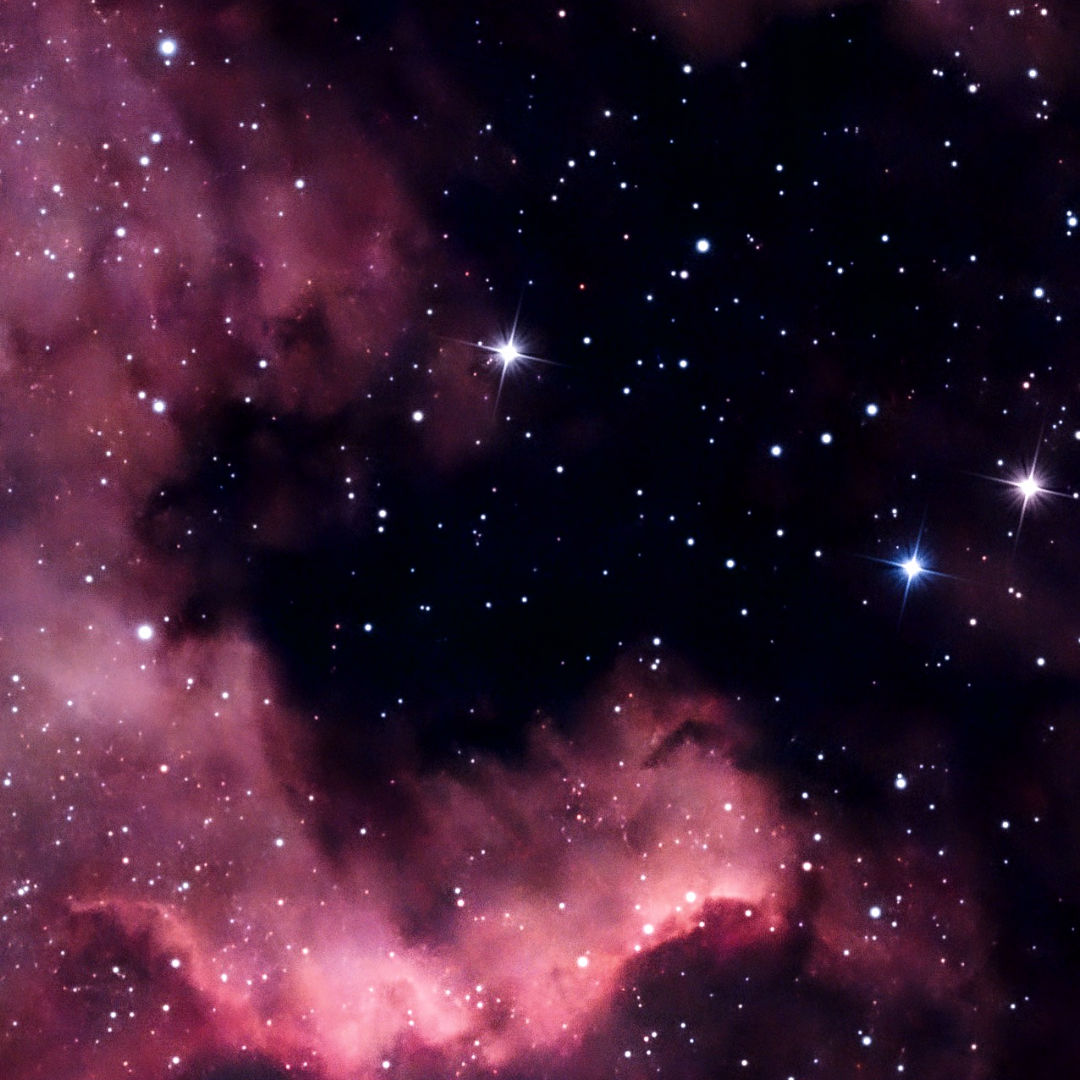
Capture the night sky without getting bogged down in expensive gear or complex tech. Built strictly as a true beginner intensive, this four-hour evening workshop shows you how to photograph solar system targets and stargaze right from the city. Learn how to adapt your smartphone or standard camera to a telescope to capture the Moon and planets, and discover the essential mechanics behind deep-space shooting in an urban environment, from navigating Ottawa's Bortle scale to handling noise and frame stacking.
About Your Instructor
Tom Radford is a photographer and educator who likes pointing cameras at things that are literally out of this world.
Learn more about Tom
Workshop Rundown
Hour 1: Urban Sky Realities & Gear Expectations
- Understanding the Bortle scale and managing urban light pollution.
- Setting realistic expectations for what entry-level gear and smartphones can capture.
- Overview of essential urban astro concepts: noise, light pollution filters, and exposure basics.
Hour 2: Optics & Solar System Setup
- Connecting smartphones and standard DSLR or mirrorless cameras to telescopes.
- Setting manual focus, ISO, and exposure speeds for the Moon and bright planets.
- Prepping mounts and optical gear for stable, clear shots.
Hour 3: Outdoor Stargazing & Hands-On Shooting
- Heading outdoors to align telescopes and capture live test shots.
- Practising target alignment on lunar and planetary subjects.
- Troubleshooting focus, camera shake, and atmospheric haze in real time.
Hour 4: Deep Space Mechanics & Stacking Overview
- Understanding how frame stacking cuts through urban light pollution and sensor noise.
- Demonstrating beginner-friendly post-processing workflows for deep-space images.
- Reviewing student captures and answering final setup questions.
By The End Of This Workshop, You Will:
- Understand how urban light pollution affects astrophotography and how to work within it.
- Set realistic expectations for what smartphones and entry-level cameras can capture at night.
- Connect a smartphone, DSLR, or mirrorless camera to a telescope.
- Use manual focus, ISO, and exposure settings for photographing the Moon and bright planets.
- Set up and align basic telescope and camera equipment for more stable images.
- Understand how frame stacking can reduce noise and improve deep-space images.
- Leave with a practical beginner workflow for continuing astrophotography from the city.
What We Provide
-
Telescopes & Adapters: Universal smartphone mounts, camera adapters, and demonstration telescopes.
-
Software Demos: Stacking software walkthroughs and sample light-pollution filter setups.
-
Facilities: Classroom space and an outdoor stargazing area.
What To Bring & Requirements
-
Camera: A smartphone or digital camera (DSLR or mirrorless).
-
Apparel: Weather-appropriate warm clothing and comfortable footwear for standing outdoors.
-
No Prior Experience Required: Designed specifically for absolute beginners. No expensive specialized gear needed.
Event Details
-
Location: Urban Art Collective Art Hub, 50 Bayswater Avenue, Ottawa
-
Instructor: Thomas Charles Radford
-
Level & Audience: Beginner (curious creators wanting to try stargazing and astro shooting without technical overload).
-
Maximum Capacity: 12 attendees
-
Minimum Enrolment: 6 attendees required